You've invited four people for Saturday, 6pm. The doorbell rings, everyone's hungry, and you reach for a bag of crisps and a bottle of wine. Fine. That's a Tuesday apéro. But the French have turned this half-hour into something closer to a minor religion — and doing it properly at home takes about fifteen minutes of preparation, one good bottle, and knowing what not to put on the table.
I've hosted more apéros than I can count, from a cramped Paris flat with a two-burner stove to a backyard in the English countryside where the nearest French product was a sad imported Boursin. I've also gotten it wrong: I once served a full charcuterie board at 7pm and watched a beautiful dinner go uneaten at 9. That mistake taught me more about the art of the French aperitif at home than any guidebook.
Key Takeaways
- Apéritif means both the drink and the ritual — a short window before dinner, not a party.
- The classic time slot is 18:00–19:30, and the standard pour is one drink, not three.
- Food is deliberately light: it should sharpen appetite, never kill it.
- Budget roughly one bottle for every three guests if you're serving wine-based drinks.
- Serve the oldest guests first, always. It's a small gesture the French notice.
What "French apéritif" really means (and what it doesn't)
A colleague once asked me whether apéro was "basically happy hour." I said no, and then spent ten minutes trying to articulate why. Here's the honest answer: happy hour is a discount. Apéro is a transition.
The word itself comes from the Latin aperire — to open. The drink is meant to open the appetite. That single etymological detail explains almost every rule that follows. Anything that closes the appetite has no business on an apéro table.
Apéro meaning in French
In everyday speech, apéro is the informal shortening of apéritif, and it covers three things at once: the drink, the snacks, and the moment. "On prend un apéro?" doesn't mean "do you want a beverage" — it means "do you want to sit down together before we eat."
The timing matters. In most French households, apéro starts around 18:00 or 18:30 and wraps up by 19:30, when dinner begins. If dinner is late — a summer evening, guests arriving at 20:30 — the apéro stretches to fill the gap. But it never becomes the meal itself. That's the line.
The one-drink rule, and why it's stricter than you think
Here's what surprised me most when I started paying attention to how French friends actually host: the standard serve is genuinely one drink. Not a refill competition. Someone pours you a kir, you drink it slowly over twenty minutes, and then you move to the table.
When a second round happens, it's usually because dinner is delayed — not because the apéro is a drinking session. If you're hosting, offer a refill once. If nobody takes it, stop offering. That's the signal.
Drinks: five recipes with actual measurements
Most articles tell you to "serve wine or a cocktail" and leave it there. Useless. Here are proportions that work, all built for one glass.
| Drink | Ingredients | Glass | Notes |
|---|---|---|---|
| Kir | 1 part crème de cassis, 4 parts dry white wine | Small wine glass | Chill both. Pour the cassis first. |
| Kir royal | 1 part crème de cassis, 4 parts crémant | Flute | Same ratio, fizzier result. My default for celebrations. |
| Suze-tonic | 2 parts Suze, 3 parts tonic, ice | Highball | Bitter, grown-up, divides the room. |
| Pastis | 1 part pastis, 5 parts cold water | Tumbler | Water must be ice-cold and poured slowly. No ice in the glass traditionally. |
| Americano | 1 part Campari, 1 part sweet vermouth, soda, ice | Old-fashioned glass | Equal parts — this is the one drink where you measure by eye and it's fine. |
French aperitif brands worth knowing
You don't need a cellar. You need about four bottles, and they'll cover every apéro you host for a year.
- Crème de cassis — the backbone of a kir. De Bourgogne is the standard name to look for, but any decent brand works.
- Suze — a gentian-based bitter from the Jura. Bright yellow, unmistakably French, and an acquired taste worth acquiring.
- Pastis — Ricard and Pastis 51 are the two names you'll see everywhere. Ricard is slightly rounder; 51 has a bit more anise punch.
- Kirsch or a dry vermouth — for anyone who wants something lighter than a cocktail but more interesting than plain wine.
- And a decent crémant. Not champagne. Crémant de Bourgogne or d'Alsace costs a third of the price and nobody at an apéro will complain.
French aperitif wine: what to actually buy
Dry white, light red, or something sparkling. That's the whole category.
Muscadet and Sancerre are the classic white choices — crisp, slightly acidic, exactly what "opens the appetite" is supposed to mean. For red, go light: a young Gamay or a Beaujolais rather than anything heavy and tannic. And if you're outside France and can't find these, a dry Portuguese white or an Italian Vermentino does the same job. Nobody will throw you out.
One practical note on quantity: a 75cl bottle gives you roughly five glasses. For six guests drinking kir, that's two bottles of wine plus one small bottle of cassis. If you're serving pastis, a 70cl bottle diluted 1:5 makes about twenty drinks — you will not run out.
The food: how much, and what
Here's the mistake I see constantly, and the one I made myself. People treat the apéro table as a buffet. It isn't. If your guests are full when dinner starts, you've overdone it — and in a French household, that's read as a small failure, not generosity.
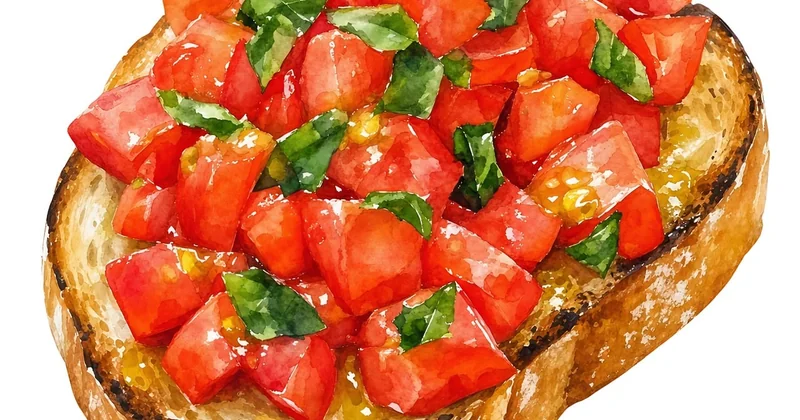
The target: three to five bites per person, total, across all the bowls and plates. That's it.
- Olives — a small bowl, nothing fancy
- Charcuterie — 40–50g per person is plenty (a slice or two each)
- A hard cheese, cubed. Comté or a decent cheddar. Skip soft cheese; it's a dinner thing.
- Nuts — salted almonds, plain and simple
- Salted crisps, because the salt makes people drink, which is the one place where "appetite" and "thirst" align
Notice what's absent: dips, bread baskets, anything warm from the oven. Those fill people up. Save them.
Budget and quantities per guest
Real numbers from a hosting spreadsheet I've kept for a few years:
- Wine-based drinks: one bottle per three guests
- Pastis or a bitter spirit: one bottle comfortably covers eight to ten people
- Charcuterie: 200g for five guests is generous, 250g is a feast
- Cheese: 150g for five
- Olives and nuts: one small bowl each per four people, refilled once
Total for six guests, in a European supermarket: somewhere around €25–35. That's the whole apéro. It's one of the cheapest ways to host well that I know of.
What newcomers get wrong (I made three of these)
The first apéro I hosted, I served mojitos. Fresh mint, crushed ice, the whole production. It took forty minutes and everyone was drunk before the food came out. Learn from me.
Serving dinner disguised as snacks
If you're putting out a quiche, you've moved straight to dinner and skipped the point of the ritual. The apéro exists because appetite is a pleasant thing to have. Don't ruin it.
Making it a cocktail competition
A French apéro is not a bar menu. One or two options is standard. Three is generous. I once offered five and spent the entire evening making drinks instead of talking to anyone — which defeats the purpose of a ritual built around company.
Small cultural faux pas worth avoiding
- Don't fill glasses to the brim. It looks like you're rushing people.
- Serve the oldest person at the table first. It's a quiet rule and it's noticed.
- Don't clear the bowls the moment they're empty. The table staying slightly populated is part of the atmosphere.
- Never start drinking before your guests have something in hand. Wait.
Adapting it at home, wherever home is
I've made apéro work in a studio flat with no dining table, and in a house with no French products within thirty miles. The ritual adapts better than the ingredients do.
What you actually need: a clear surface, a few small bowls, small glasses (a tumbler works for everything except sparkling), and a seat for everyone. That's it. You do not need a bar cart or matching glassware — I've served kir out of jam jars to a friend who still brings it up fondly.
If you can't find crème de cassis, a dry white with a small splash of good blackcurrant cordial gets you 80% of the way there. If you can't find Suze, a bitter orange aperitif works. If you can't find crémant, any dry sparkling wine is fine.
What matters is the shape of the thing: a drink, a small plate, a fixed time before dinner, and a clear end point. Everything else is negotiable.
A ritual worth keeping
What stays with me about the French apéro isn't the drinks. It's that it gives you permission to stop. There's no productivity attached to it, no outcome to chase. You sit, you hold a glass, you eat three olives, and then you get up and cook.
I've come to think of it as the most useful French export nobody talks about. Not the wine, not the cheese — the idea that the twenty minutes before dinner deserve their own name.
So next Saturday, at six, put down your phone, pour one glass, and put out a small bowl of something salty. Then wait for the doorbell. That's the whole art of it, really. The rest is just choosing which bitter you're willing to defend.