
Three quotes for the same bathroom. Same fixtures, same square footage, same city. The numbers came back at $8,200, $14,500 and $21,000. Only one of those contractors had actually looked behind the wall before pricing the job. The other two were guessing — and building their guess into a number I'd have signed.
That gap is the whole story of budget bathroom renovation mistakes. Most overruns don't come from picking the wrong tile. They come from decisions made before anyone picked up a tool, and from not knowing which costs are fixed, which are negotiable, and which are pure fiction until you open the wall.
I've renovated two bathrooms now — a full gut in a 1960s house that cost me roughly $11,000, and a cosmetic refresh that came in under $2,800. I got the first one wrong in ways that still annoy me. Here's what I'd tell you before you sign anything.
Key Takeaways
- The single biggest budget mistake is pricing a job before opening the wall. Concealed rot, old wiring and undersized drains are the costs that wreck estimates.
- Ventilation and permits are the two line items people forget most often. Both are mandatory in most jurisdictions, and both cost real money.
- A contingency fund of 15–20% isn't pessimism. On my full gut, the unforeseen work ate 18% on top of the original figure.
- You can save meaningfully on finishes and fixtures. You cannot safely save on waterproofing, drainage or electrical.
- The cheapest way to blow a budget is to change your mind mid-demolition. Every late swap adds labor and disposal fees.
- A bathroom is not a renovation you do yourself on weekends if you want it usable in under three months.
Why bathroom renovation budgets blow up so easily
A bathroom is the smallest room in the house and one of the most expensive to touch per square foot. Not because the materials are exotic, but because it packs four trades into a tiny space, and those trades have to take turns.
Plumbing, electrical, waterproofing and tiling all need the room empty, dry, and in the right state. If the plumbing rough-in isn't inspected and signed off, the tiler can't board the walls. If the board isn't up, the electrician can't run the lighting circuit. One delay ripples through everything.
Which brings up the thing most estimates hide: labor is usually 40–60% of a mid-range bathroom budget, and labor is where the slippage happens. Materials you can price to the dollar. Labor depends on how long a wall takes to dry, and how long a wall takes to dry depends on humidity, not on anyone's schedule.
The fixed vs. negotiable cost split
Before you talk to a single contractor, sort your spending into two buckets.
Fixed: waterproofing membrane, drainage, electrical compliance, structural repair, permits. These aren't optional and cutting corners here costs far more later — I've seen a failed shower pan mean a full re-tile and a new ceiling for the floor below.
Negotiable: tiles, vanity, mirror, lighting fixtures, tapware, paint. This is where you actually have room to move. You can replace a $900 vanity with a $300 one and nobody will notice. You cannot replace a proper waterproofing layer with "it'll be fine."
Most people negotiate in the wrong bucket. They haggle over the hand basin and then discover the subfloor is soft.
The pre-renovation mistakes that cost you thousands
Every dollar you don't spend planning gets spent twice during construction. I learned this the expensive way: I approved demolition before finalizing the layout, then paid to move a drain 14 inches to the right. That single change cost me $610 and two days.

What should you do first when renovating a bathroom?
Lock the layout before anything gets demolished. Not the tile, not the color — the position of the toilet, shower, sink and drains. Everything downstream depends on where water enters and leaves the room.
Concretely, in this order:
- Measure the room and decide whether you're keeping the existing drainage points. Keeping them saves the most money of any single decision.
- Check what's behind the wall. A contractor should cut a small inspection hole before quoting. If they refuse, that's your answer about how the project will go.
- Confirm permitting requirements with your local authority. In most places, moving plumbing or adding a circuit requires a permit and inspection. Skipping it can void your home insurance and complicate a future sale.
- Get three quotes, and ask each contractor to itemize labor separately from materials. If they won't, move on.
Notice what's not on that list: choosing tiles. It's the fun part and the least consequential for your budget.
The contingency you will actually need
Everyone writes "add 10%" in their notes. Ten percent is not enough on an older house.
On my 1960s gut, the original estimate was $9,300. Final cost: just under $11,000. The overrun broke down roughly as follows — soft subfloor near the toilet, two joists needing sistering, and a surprise: the old drain was undersized for a modern shower, so it had to be replaced to pass inspection. None of that was visible on day one.
For anything built before the 1990s, budget 15–20% above your estimate and treat that money as already spent. If you don't need it, you've just funded the vanity upgrade you wanted.
A separate mistake: assuming your estimate is a quote. An estimate is a guess with a signature. A fixed-price contract, with a written scope, is a different document. Ask which one you're getting.
The hidden costs nobody warns you about
The line items absent from most quotes are the ones that hurt. Here's what showed up on mine and on friends' projects:
- Ventilation. An extractor fan ducted to the outside is required in most jurisdictions for a windowless bathroom. It also needs power, which means an electrician. Budget for both.
- Waste removal. Demolition debris is heavy. Skips and dump fees ran me about $340 for a small bathroom.
- Making good. Once the tiler leaves, someone has to patch, sand, paint and re-hang the door. That's often a separate trade and a separate invoice.
- Temporary arrangements. If it's your only shower, you're paying for gym memberships or hotel nights. I underestimated this completely — three extra weeks of no shower cost more than my tapware.
- Permits and inspection fees, which vary wildly by location but are never free.
Add those up on a mid-range project and you're looking at several hundred to a few thousand dollars that appeared nowhere in the contractor's number.
What is it actually like renovating a bathroom while living in the house?
It's harder than the photos suggest, and it does affect your budget. If you're living in the house, expect:
Dust that travels through the whole home, no matter how well the doorway is sealed. Noise starting at seven in the morning. And the constant temptation to peek at progress, which slows nobody down but stresses everyone out.
The budget consequence is real: every week of extra duration either costs you money in temporary accommodation or in your own sanity. That's a genuine argument for paying slightly more for a contractor who can commit to a schedule, rather than chasing the lowest bid.
Cheapest quote, slowest crew, longest disruption. It's a pattern I've watched three times now.
How to revamp a bathroom on a budget without wrecking it
There's a version of this project that costs a fraction of a full renovation, and it's the one I'd recommend to most people.
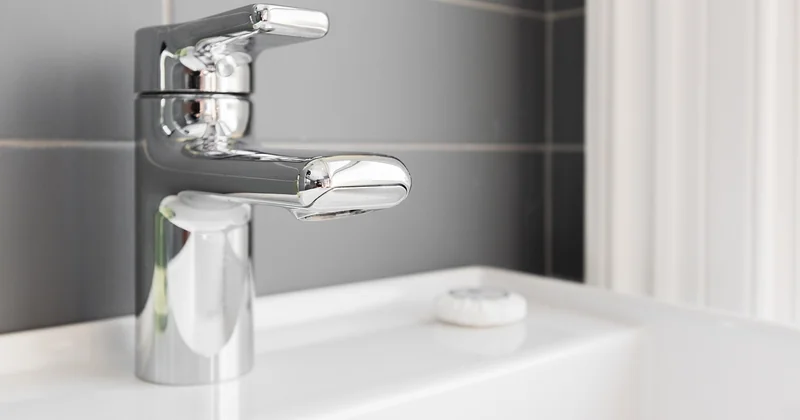
If the waterproofing is sound, the drains work, and the layout doesn't make you miserable, you don't need a gut renovation. You need a refresh.
| Approach | Typical cost range | Duration | What you get |
|---|---|---|---|
| Cosmetic refresh | $1,500 – $3,000 | 1–2 weeks | New paint, tapware, mirror, lighting, re-grouting, new accessories |
| Mid-range partial | $6,000 – $12,000 | 3–5 weeks | New vanity, toilet, shower fittings, some tiling over existing |
| Full gut renovation | $15,000 – $35,000+ | 6–12 weeks | Everything replaced, layout possibly changed, full waterproofing |
My refresh cost just under $2,800. I kept the tub and the existing tile, had the grout professionally cleaned and sealed, replaced the tapware, swapped the vanity, added a proper extractor and repainted. The room feels completely different for a fifth of the price of the gut job.
Two moves saved the most money:
- Keeping the tub. Removing and replacing a bathtub is expensive and rarely improves the room if the tub is in good condition.
- Re-grouting instead of retiling. A full retile means demolition, new substrate, new waterproofing. Re-grouting and sealing costs a fraction and buys years.
What I would not do again: buy a cheap vanity with a thin, poorly sealed top. It started swelling within eighteen months. That's the other side of budget renovating — some savings are just deferred costs.
Where "cheap" goes wrong
The floor, the shower and anything carrying water. That's the rule.
Cheap floor tiles crack underfoot and let water past the seams. Cheap shower mixers fail at the cartridge and flood the wall cavity. Cheap waterproofing isn't waterproofing. Everything else — paint, mirror, towel rails, lighting — is fair game for cost-cutting, and nobody will ever know.
Does a bathroom renovation ever pay you back?
Partly, and the honest answer is: not the way sellers' blogs claim.
A bathroom that looks clean, functional and current makes a house easier to sell and removes an objection in buyers' minds. That's real value, but it's a negotiation lever, not a windfall. An outdated bathroom gives a buyer a reason to knock money off the offer; a refreshed one takes that reason away.
What doesn't pay back is over-investing relative to the house. If every other bathroom in your street has a standard tub-and-shower setup, a spa-grade wet room with imported stone isn't going to return the difference. It might make your house the nicest on the block, but the block sets the ceiling.
So the question isn't "what's the ROI on a bathroom?" It's "what's the minimum I can spend to make this room not a problem?" For most people, that's the refresh, not the gut.
The mistake that costs the most
Reading this far, you might expect the answer to be a specific line item. It isn't.
The costliest bathroom budget mistake is treating the estimate as the budget. An estimate is one contractor's best guess about a room he hasn't opened. Your actual budget is the estimate plus the contingency plus the temporary-living costs plus the changes you'll make when you see the room stripped bare.
Write that number down. If it's higher than you can afford, that's the moment to scale the project down — not in week four, standing in a demolished room with a contractor asking where the new drain should go.
I keep coming back to those three quotes: $8,200, $14,500, $21,000. The cheapest one wasn't wrong because the contractor was dishonest. It was wrong because it was priced on hope. Budget for the wall, not for the room you're imagining.